
Last Updated on July 1, 2026 by Pamela Lipscomb
If you are struggling to keep up with high summer electric bills, you are not alone. Across the country, low-income families, seniors, disabled adults, and working parents are searching for ways to avoid utility shutoffs during extreme heat.
The good news is that LIHEAP Cooling Assistance 2026 is now opening in many states, and eligible households can receive help paying cooling costs, electric bills, and even emergency utility assistance.
This program can provide hundreds of dollars in assistance — and in some cases prevent your electricity from being disconnected during dangerous summer temperatures.
Because funding is limited and applications are approved on a first-come, first-served basis, it is important to apply as early as possible.
What Is LIHEAP?
The Low Income Home Energy Assistance Program (LIHEAP) is a federally funded program that helps low-income households pay heating and cooling bills.
LIHEAP assistance may help cover:
- Electric bills
- Cooling costs
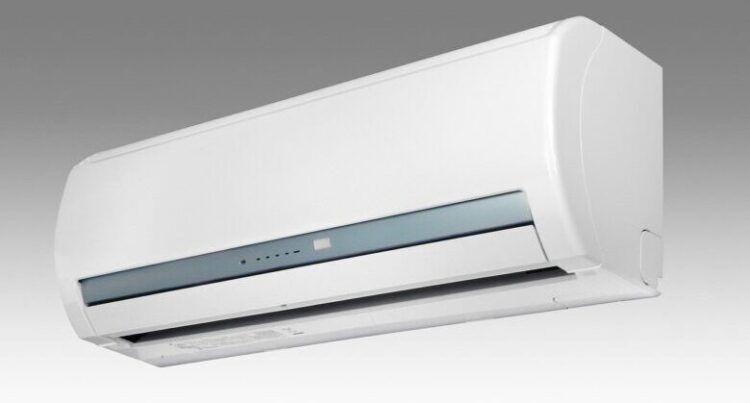
- Air conditioning expenses
- Energy crisis emergencies
- Utility reconnect fees
- Past-due utility balances
Funds are distributed through state agencies and local Community Action Agencies.
Many people think LIHEAP only helps during winter, but many states also offer summer cooling assistance for air conditioning and electric bills.
According to the U.S. Department of Health and Human Services LIHEAP Program, priority is often given to:
- Seniors
- Disabled individuals
- Families with young children
- Medically vulnerable households
Why LIHEAP Is So Important in 2026
Electricity costs remain high in many states, especially during summer heat waves.
Many households are now facing:
- Higher cooling bills
- Past-due utility balances
- Shutoff notices
- Extreme heat risks
Social media discussions show that many families are unaware they qualify for help until they are already behind on bills.
The biggest mistake people make is waiting too long to apply.
Who Qualifies for LIHEAP Cooling Assistance 2026?
Eligibility depends on:
- Household income
- Household size
- State guidelines
- Vulnerable household members
Most states use income limits based on:
- Federal Poverty Guidelines
- State Median Income
- Participation in programs like SNAP or SSI
Example LIHEAP Income Limits (Georgia 2026)
According to the Georgia Department of Human Services:
| Household Size | Maximum Annual Income |
|---|---|
| 1 | $34,549 |
| 2 | Around $45,000 |
| 3 | Around $56,000 |
| 4 | Around $66,000 |
| 5 | $77,071 |
Income limits vary by state.
Even if you were denied before, you may qualify now due to updated guidelines or household changes.
You May Automatically Qualify If You Receive
You may already meet income requirements if someone in your household receives:
- SNAP (Food Stamps)
- SSI
- TANF
- WIC
- Medicaid
- Veterans benefits
- Certain disability benefits
-